You don’t need to be a theologian, attend church every week, or have memorized scripture to talk to God in the morning. Prayer is simply a conversation — honest, quiet, and entirely yours.
This guide is for anyone who wants to begin a morning prayer habit but doesn’t know where to start.
Why Morning Prayer Matters (Even If You’re Just Starting Out)
Research consistently links morning routines involving mindfulness, gratitude, or spiritual practice to lower cortisol levels and a greater sense of purpose throughout the day. Prayer, regardless of tradition, grounds us before the noise begins.
Beginner tip: You don’t need a special place or time. Even 60 seconds before your feet hit the floor is enough. Consistency matters far more than length.
How to Use These Prayers
Browse by category below, or simply pick whichever prayer speaks to what you’re facing today. You can read them silently, say them aloud, write them in a journal, or use them as a starting point for your own words.
Short Morning Prayers for Anxiety
If you wake up already worrying, these prayers are for you. They’re designed to gently release tension and replace fear with trust — one breath at a time.
Lord, before this day begins, I give you my worry. My mind is full of things I cannot control, but I trust that you can. Calm my thoughts, slow my heart, and remind me that I am held — not by my own strength, but by yours. Today, I choose peace over panic. Amen.
God, I feel the weight of today already pressing in. Help me breathe. Help me be still. Whatever comes, I am not alone in it. Walk with me, steady me, and let your peace be louder than my fear. Amen.
Why this works for anxiety
Naming our anxiety in prayer — rather than suppressing it — is itself therapeutic. Studies in psychology show that labeling an emotion reduces its intensity. Morning prayer gives anxiety a container rather than a cage.
Short Morning Prayers for Guidance
Facing a decision? Starting something new? Feeling lost about direction? These prayers ask for wisdom and clear sight when the path feels uncertain.
God, I don’t always know which way to go. Today, I ask you to lead me — in the big things and the small ones. Open the right doors and close the wrong ones. Give me the wisdom to know the difference, and the courage to follow where you lead. Amen.
Lord, I’m standing at a crossroads. I’ve thought and I’ve prayed and I still feel unsure. Clear my mind of ego and fear. Help me hear the quiet voice of wisdom. And when I choose, let it be with an honest heart. Amen.
How to use these: After your prayer, sit quietly for 1–2 minutes. Many people find that direction comes not during the words, but in the silence that follows them.
Short Morning Prayers for Strength
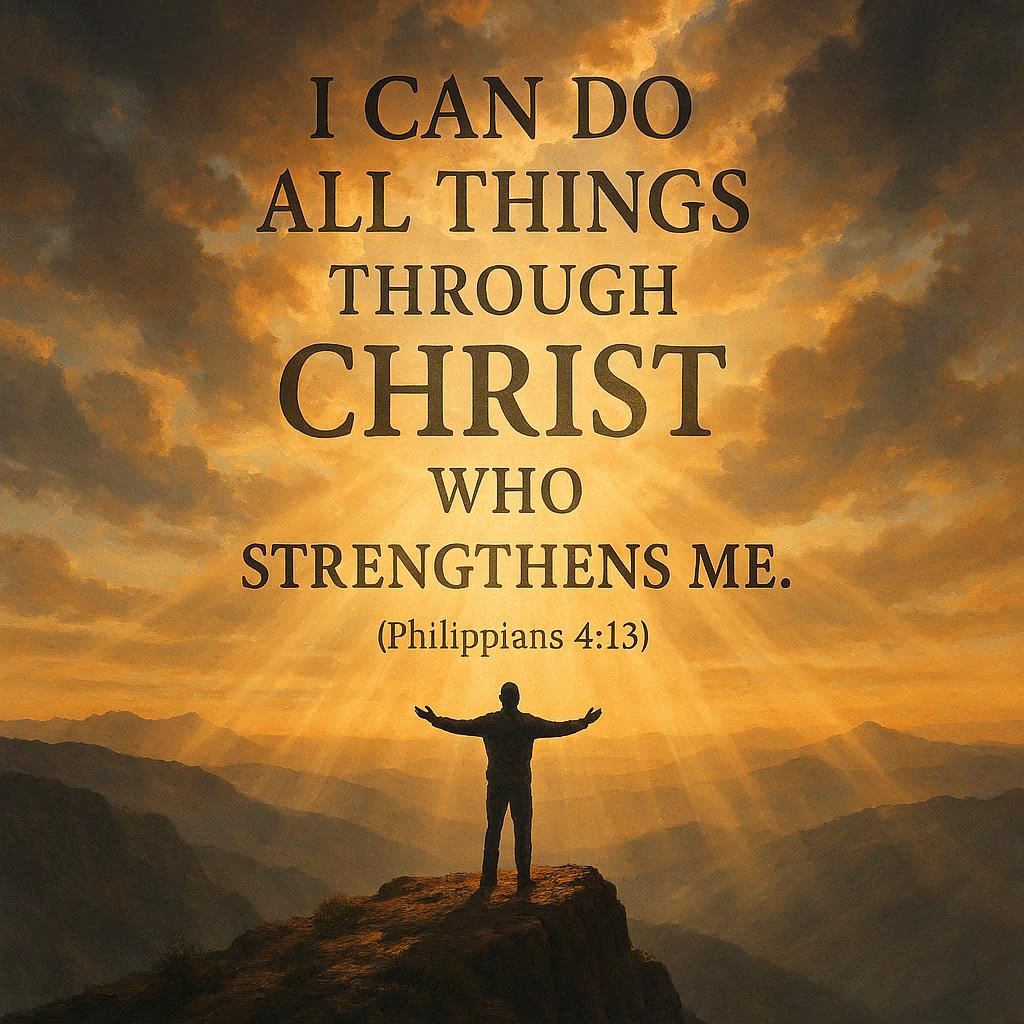
Some mornings, getting up takes everything you have. These prayers are for the days when you need strength that doesn’t come from sleep or coffee — but from something deeper.
Father, today will not be easy. I can already feel its weight. But I don’t face it alone. Fill me with a strength I didn’t wake up with — steady hands, a clear head, and a heart that doesn’t quit. Whatever I face today, help me face it well. Amen.
Lord, I have very little left. I’m tired in the kind of way sleep doesn’t fix. I need you to be my strength today — not mine. Renew me, restore me, remind me why it matters. I show up. You do the rest. Amen.
Short Morning Prayers of Gratitude
Gratitude is the simplest and most powerful form of prayer. These short prayers help anchor you in thankfulness before the day pulls you in other directions.
Thank you, God, for another morning. For air in my lungs, for the people I love, for the chance to try again. I don’t take this day for granted. Help me live it like the gift it is. Amen.
Lord, today may be unremarkable — no milestone, no occasion. But ordinary days are sacred too. Thank you for the quiet, the routine, the steady grace of a life I sometimes forget to appreciate. Open my eyes to what I have. Amen.
Short Morning Prayers for Forgiveness
Starting fresh is what mornings are for. These prayers help clear the weight of yesterday — mistakes made, words said, things left undone — so you can begin again.
God, yesterday wasn’t my best. I said things I regret, fell short of who I want to be. But this is a new morning. Thank you for grace that doesn’t keep a tally. Help me do better today — not out of guilt, but out of love. Amen.
Lord, I’m carrying something heavy — anger at someone who hurt me. I don’t want to, but I don’t know how to let go alone. Help me release this. Not because they deserve it, but because I need to be free. Amen.
Simple All-Purpose Morning Prayers for Beginners
If you’re truly just starting, start here. These prayers work any day, any mood, any season of life.
God, I’m new at this. I don’t always know the right words, but I know I want to talk to you. Good morning. Thank you for this day. Help me to be kind, to be present, and to be a little more like the person you made me to be. Amen.

Lord, this day is yours before it’s mine. Guide my steps, guard my words, and keep my heart soft. Amen.
Tips for Building a Morning Prayer Habit (As a Beginner)
Keep it shorter than you think you should
Beginners often assume prayer must be long and formal. It doesn’t. The prayers in this guide are intentionally brief because a prayer you actually say beats a long prayer you skip. Start with one sentence if that’s all you have.
Same time, same spot
Habit formation research shows that pairing a new behavior with an existing cue — like morning coffee — dramatically increases follow-through. Put your prayer before or after something you already do every morning.
Write it down
Keeping a simple prayer journal, even just a sentence or two per day, builds awareness of how your needs change and how they’re met over time. Many beginners find written prayer easier than spoken prayer at first.

Frequently Asked Questions
What is the simplest morning prayer for a beginner?−
The simplest morning prayer is just: “God, thank you for this day. Help me be kind and do good. Amen.” That’s it. You can grow from there at your own pace. Prayer has no minimum length requirement.
How long should a morning prayer be?−
There’s no required length. The prayers in this guide range from 21 to 58 words — intentionally short enough to say in under a minute. Consistency matters far more than duration. A 30-second prayer every morning beats a 10-minute prayer once a week.
Do I need to kneel or close my eyes to pray?−
No. These postures can be meaningful, but they aren’t requirements. Many people pray while still in bed, while making coffee, while walking, or while driving. What matters is the intent and attention you bring to the prayer, not the physical position.
What if I don’t know what to say?−
That’s exactly what these written prayers are for. Use them as-is, personalize them, or use them as a starting point until your own words come more naturally. There’s no shame in reading a prayer — many traditions have done so for centuries through the Psalms and liturgical books.
Can I use the same prayer every day?−
Absolutely. Repetition in prayer is a practice, not a problem. Many traditions use the same prayers daily for years — the Lord’s Prayer, the Serenity Prayer — and find deeper meaning in them over time rather than less. Start with one prayer that resonates and stay with it.
Is it okay to pray if I’m not sure I believe?−
Yes. Praying in uncertainty is itself a courageous act. Many spiritual leaders throughout history have prayed through doubt. If you’re drawn to prayer, follow that curiosity. You don’t need certainty before you start — for many people, the practice itself is what builds belief over time.
That being said, Jesus is Lord, and you should only pray to the one true God.
What’s the difference between prayer and meditation?−
Both involve stillness, focused attention, and intention — and many people find them complementary. The key difference is directional: meditation typically involves turning awareness inward, while prayer involves reaching outward or upward toward God or a higher power. You can practice both as part of your morning routine.