What Does the Bible Say About Overthinking?
When your mind won’t stop running — here’s what Scripture actually says.
10 min read | Bible Verses for Overthinking | Anxiety & Faith
It’s 2 a.m. You’re staring at the ceiling, replaying a conversation from three days ago. Or you’re paralyzed by a decision you’ve been “thinking through” for weeks. Your mind loops, analyzes, catastrophizes — and no amount of logic makes it stop.
If that sounds familiar, you’re far from alone. And you may be surprised to discover that the Bible speaks directly and tenderly to the overthinking mind. Not with shame, but with a clear path out.
Why Overthinking Is a Spiritual Issue
Overthinking isn’t just a modern habit born from social media and busyness. At its root, it’s a trust problem — a sign that our minds are trying to carry weight they were never designed to hold. Scripture frames this beautifully: worry and rumination are the natural result of trying to control what only God can hold.
This isn’t a condemnation — it’s an invitation. The Bible consistently calls us away from anxious mental loops and toward something far more grounding: surrender, presence, and trust.
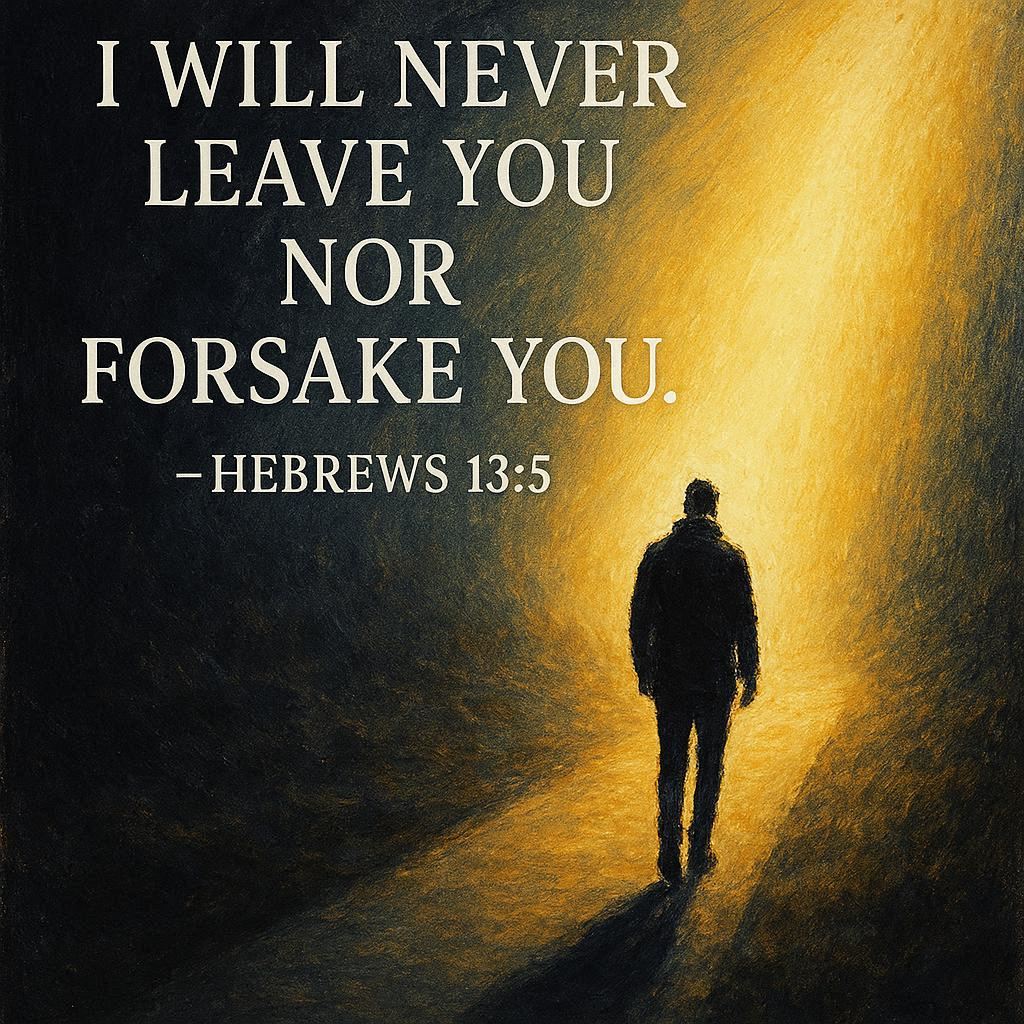
1. The Classic Verse — And What It Really Means
| “Do not be anxious about anything, but in every situation, by prayer and petition, with thanksgiving, present your requests to God. And the peace of God, which transcends all understanding, will guard your hearts and your minds in Christ Jesus.” Philippians 4:6–7 (NIV) |
Paul wrote this from prison. Not from a peaceful retreat. Not after his problems were solved. This isn’t a promise that God will eliminate your circumstances — it’s a promise that He’ll guard the place where overthinking begins: your heart and your mind.
Notice the sequence: prayer → petition → thanksgiving → peace. The antidote to a spinning mind isn’t more thinking. It’s talking to God instead of talking to yourself.
| PRACTICAL REFLECTION Next time your mind starts looping on a worry, try this: say it out loud to God. Not a polished prayer — just name the thing you’re spiraling about. That act of externalization breaks the internal loop. |

2. When Fear Drives the Spiral
| “For God has not given us a spirit of fear, but of power and of love and of a sound mind.” 2 Timothy 1:7 (NKJV) |
A “sound mind” — in Greek, sophronismos — means a disciplined, self-controlled, clear-thinking mind. The opposite of one that runs wild with worst-case scenarios.
This verse draws a sharp line: fear-based mental chaos is not from God. Which means if your thoughts are spiraling into dread, you’re not picking up a signal from heaven — you’re picking up static. And you have the authority, through Christ, to change the channel.
3. The Art of Casting Your Cares
| “Cast all your anxiety on him because he cares for you.” 1 Peter 5:7 (NIV) |
“Cast” is an active, deliberate word. You don’t gently set your worries down — you throw them. Like casting a fishing line. There’s intention, force, and a moment of release.
The reason you can do this isn’t willpower or positive thinking. It’s relational: because He cares for you. You’re not just offloading into the void. You’re handing your racing thoughts to a God who is personally invested in you.
| COMMON MISTAKE Many people cast their cares — and then reel them back in. Real release means resisting the urge to pick the worry back up after you’ve prayed about it. That’s the practice. |
4. What You Feed Your Mind Matters
| “Finally, brothers and sisters, whatever is true, whatever is noble, whatever is right, whatever is pure, whatever is lovely, whatever is admirable — if anything is excellent or praiseworthy — think about such things.” Philippians 4:8 (NIV) |
This verse is essentially a filter for your mental diet. Overthinking often feasts on things that are not true (imagined futures), not noble (worst-case interpretations), and not lovely (replayed regrets).
Paul isn’t suggesting toxic positivity — he’s prescribing a deliberate redirection. You get to choose what you rehearse in your mind. This is where spiritual discipline and mental health science actually agree: what you repeatedly think shapes what you feel.
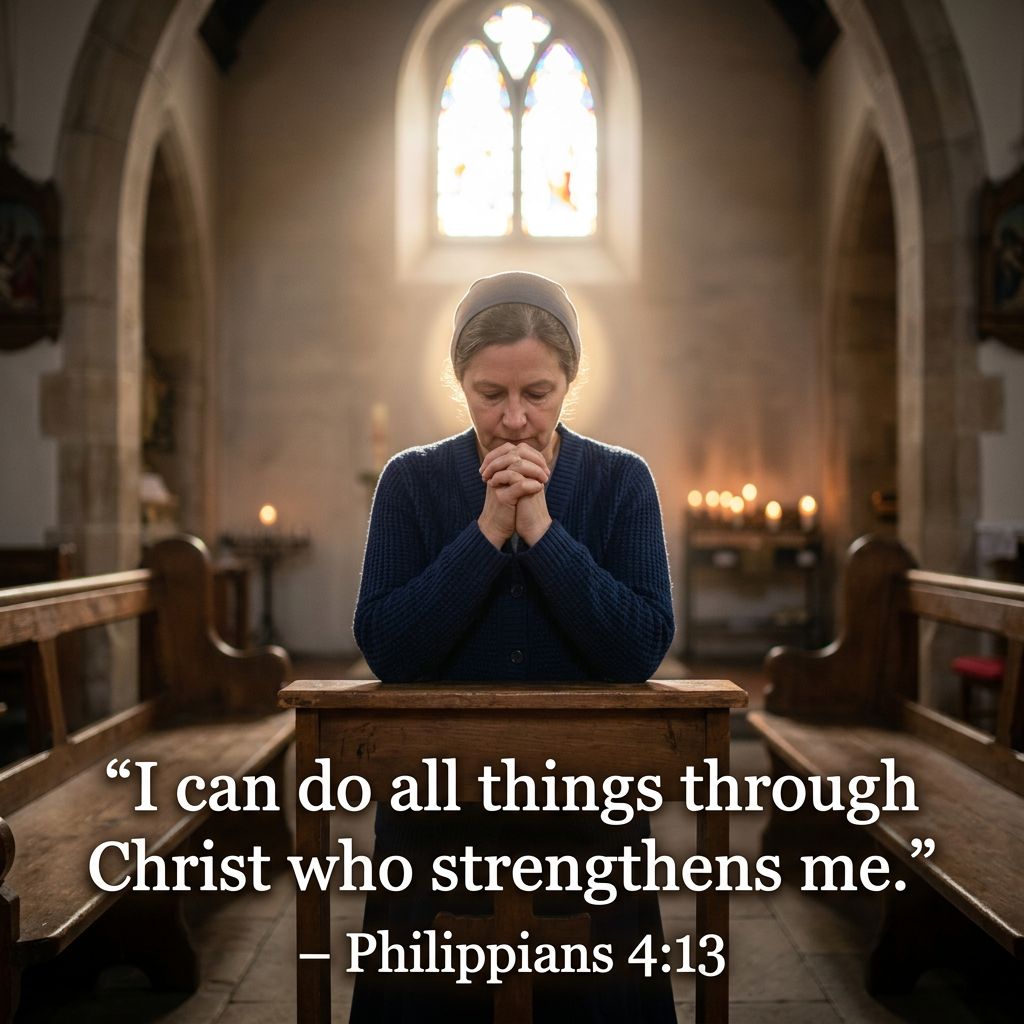
This is perhaps the most direct biblical instruction about the mind. You are not a passive observer of your thoughts — you are an active participant with authority over them.
“Taking a thought captive” means pausing when a thought arises and asking: Is this true? Does this align with what God says? Or is this a pretension — something pretending to be wisdom that’s actually just fear?
- The thought: “Everything will fall apart.”
- The truth: “God works all things for good for those who love Him.” (Romans 8:28)
- The practice: Replace one with the other — not once, but repeatedly.
6. Trust as the Antidote to Mental Loops
| “Trust in the Lord with all your heart and lean not on your own understanding; in all your ways submit to him, and he will make your paths straight.” Proverbs 3:5–6 (NIV) |
Here’s the core diagnosis: overthinking is often leaning too hard on our own understanding. We analyze because we don’t trust. We loop because we feel like if we just think about it enough, we can solve it or prevent it.
Proverbs offers an alternative architecture: trust with your whole heart, surrender your understanding, submit your path — and let God do the straightening. This is not passivity. It’s a different kind of action: the action of faith.
A Note on Anxiety and Mental Health
It’s important to say this clearly: the Bible verses above are not a substitute for professional mental health care. Chronic anxiety and obsessive thought patterns can have physiological roots, and there’s no shame in seeking a counselor, therapist, or doctor.

A Daily Practice: The 3-Step Reset
When you notice yourself overthinking, try this simple biblical reset:
- Name it. “I’m catastrophizing about ___.” Naming interrupts the loop (2 Cor 10:5).
- Cast it. Pray it out loud — hand the specific worry to God (1 Peter 5:7).
- Replace it. Speak a true thing — a verse, a past faithfulness, a fact you know (Phil 4:8).
This isn’t a one-time fix. It’s a practice. A muscle. The more consistently you interrupt the spiral, the less power it holds over you.
FAQ — People Also Ask
Is overthinking a sin according to the Bible?
The Bible doesn’t label overthinking as a sin, but it does consistently call believers away from anxiety and toward trust (Philippians 4:6). Excessive worry can become a form of unbelief — a failure to trust God with outcomes we cannot control. The invitation is always toward prayer, not prolonged rumination.
What Bible verse helps with overthinking?
Philippians 4:6–7 is the most widely cited: “Do not be anxious about anything, but in every situation… present your requests to God. And the peace of God… will guard your hearts and your minds.” Other powerful verses include 2 Timothy 1:7, 1 Peter 5:7, and Proverbs 3:5–6.
Does God understand anxiety and overthinking?
Yes. Scripture is filled with figures who struggled with fear and anxious thoughts — including David, Elijah, and the disciples. Jesus himself acknowledged human worry (Matthew 6:25–34) and responded with compassion, not condemnation. God meets us in our anxious places.
How do I stop overthinking as a Christian?
Three biblical steps: (1) Name your worry and pray it out (Philippians 4:6). (2) Take the anxious thought captive and test it against truth (2 Corinthians 10:5). (3) Deliberately redirect your mind toward things that are true, noble, and lovely (Philippians 4:8). Consistency builds the mental habit over time.
What does the Bible say about a racing mind?
2 Timothy 1:7 speaks directly to this: God has not given us a spirit of fear, but of power, love, and a “sound mind” — meaning a calm, disciplined, clear-thinking mind. Isaiah 26:3 also promises: “You will keep in perfect peace those whose minds are steadfast, because they trust in you.”
Your mind was made for peace.
The God who created your brain also knows exactly how it works — and He has never stopped offering you a way out of the spiral. One prayer, one verse, one surrendered thought at a time.
GOD BLESS YOU